Table of Contents
ToggleFrench door refrigerators have become the go-to choice for homeowners modernizing their kitchens, and Lowe’s offers a solid selection to fit different budgets and needs. Whether you’re replacing an aging side-by-side unit or upgrading to smarter cooling technology, a French door refrigerator delivers better organization, easier access to everyday items, and a sleeker look than traditional models. This guide walks you through what makes French door refrigerators worth the investment, which models Lowe’s carries, the features that matter most, and how to install and maintain your new appliance properly.
Key Takeaways
- Lowe’s French door refrigerator models offer superior organization and energy efficiency compared to traditional side-by-side units, with dual doors that minimize cold air loss and adjustable shelving that fits real family needs.
- Budget-friendly options at Lowe’s range from $1,500–$2,500 with reliable performance and basic features, while premium models ($2,500–$4,000+) add smart connectivity, larger capacity, and inverter compressors that reduce energy consumption.
- Accurate measurements of your space are critical before purchasing—verify opening dimensions, ensure 1 inch of clearance on each side, and confirm whether counter-depth or standard depth models fit your kitchen layout.
- Water line installation for ice and water dispensers requires proper setup with a dedicated cold water supply connection; hiring a plumber for $150–$300 is worthwhile to prevent costly leaks.
- Monthly gasket cleaning, quarterly condenser coil vacuuming, and maintaining temperatures at 37–40°F for the fridge and 0°F for the freezer are simple maintenance tasks that extend your unit’s lifespan to 10+ years.
- Stainless steel finishes are fingerprint-prone—consider black stainless or panel-ready options if your kitchen design calls for it, and check decibel ratings (35–42 dB is quiet) if your kitchen connects to living spaces.
Why French Door Refrigerators Are Ideal for Modern Kitchens
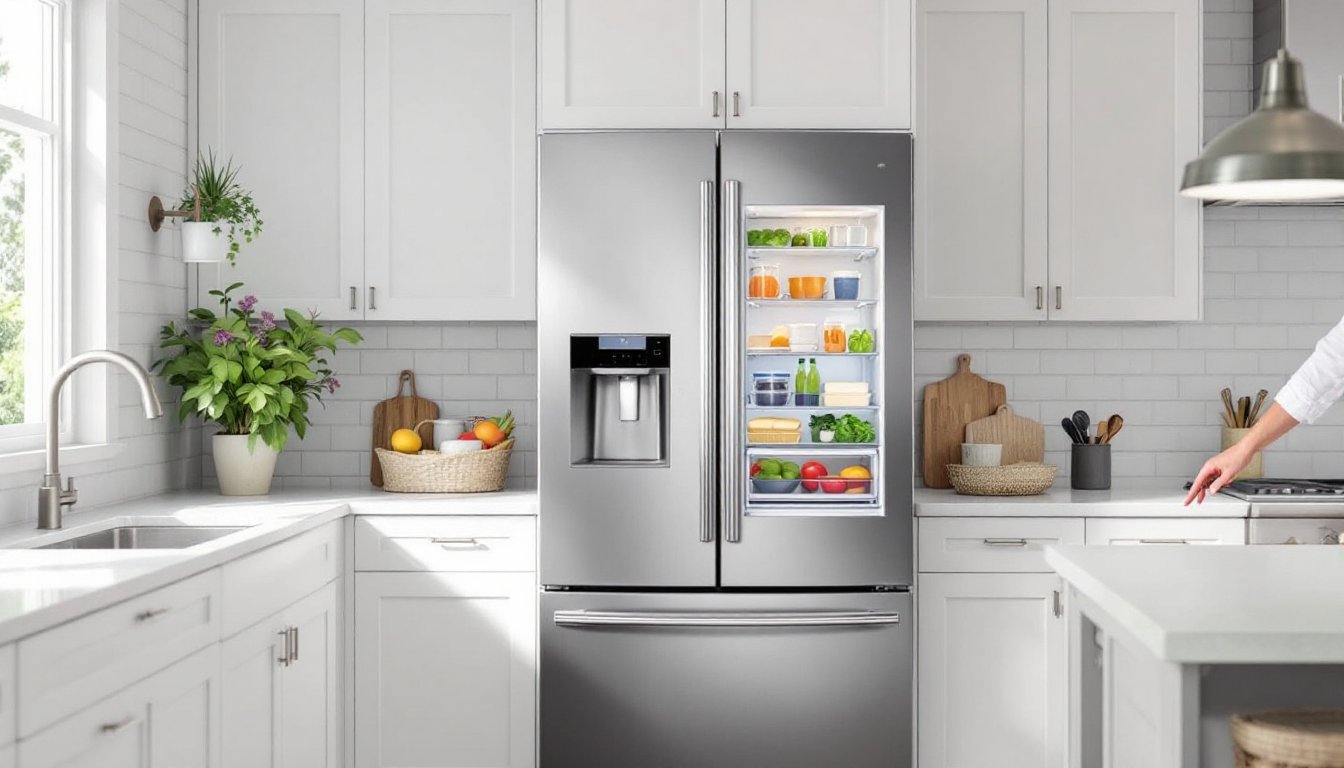
French door refrigerators pair two narrow doors on top with a freezer drawer at the base, a layout that solves real problems homeowners face every day. The dual-door design keeps cold air loss to a minimum when you’re grabbing milk or leftovers, since you’re only opening one side instead of swinging a full-width door. The freezer drawer sits at waist or mid-chest height on most models, eliminating the awkward bending and digging through buried items that comes with traditional bottom-freezer units.
The wider shelving in the fridge compartment accommodates large platters and casserole dishes more easily than side-by-side models, and the shelving is usually adjustable, so you can configure it for your actual groceries, not some designer’s idea of what you should store. That flexibility matters more than it sounds when you’re managing a family’s food inventory.
Modern French door units also tend to pack in tech features that reduce waste: humidity-controlled crisper drawers, ice and water dispensers built into the door, and many now include smart Wi-Fi connectivity so you can check temperatures or receive alerts from your phone. For kitchens where counter and wall space is tight, the French door profile is also more compact than side-by-sides, making it a practical fit for medium to smaller kitchens where every inch counts.
Top French Door Refrigerator Models Available at Lowe’s
Budget-Friendly Options
Lowe’s carries competitively priced French door models that don’t sacrifice durability or core features. In the $1,500–$2,500 range, you’ll find reliable units from brands like Whirlpool and Maytag with stainless steel finishes, LED interior lighting, and adjustable shelving. These entry-level models typically feature basic ice and water dispensers in the door and frost-free operation (meaning you won’t defrost manually). Capacity usually hovers around 24–25 cubic feet, which suits a family of four without excessive wasted space.
The trade-off at this price point is fewer smart features and less customization. Door bins are fixed, and temperature controls are mechanical dials rather than digital touch panels. But for a straightforward, hardworking fridge that won’t expensive, these models earn their place. Many homeowners in this budget tier report 10–15 years of reliable service with routine maintenance.
Premium and High-End Models
Lowe’s also stocks premium French door refrigerators in the $2,500–$4,000+ range from brands like LG, Samsung, and Frigidaire. These units pack more capacity (often 26–29 cubic feet), smarter temperature management systems, and connected features like smartphone alerts and energy usage tracking. Many include adjustable door bins, dual ice makers, or specialized compartments like wine racks or meat drawers.
Samsung’s Bespoke line and LG’s Smart Inverter models are popular choices at this tier, they use inverter compressors that adjust cooling intensity based on demand, which saves energy and maintains more consistent temperatures. Smart refrigerators at this level let you pull up expiration dates, create shopping lists, or control settings remotely. If your kitchen is the hub of your home tech ecosystem, these models integrate with wider smart home technology news and home automation reviews platforms.
The financial commitment is steeper, but if you’re planning to stay in your home long-term and value efficiency or smart features, the payback through energy savings and reliability can justify the upfront cost.
Key Features and Specifications to Consider
Capacity and dimensions matter more than salespeople usually emphasize. French door widths typically range from 29–36 inches, so verify your opening space before ordering. Measure the rough opening width, height, and depth (including door handles and hinges), and leave at least 1 inch of clearance on each side for air circulation and installation. Standard depth is around 32–34 inches from back to front: shallower “counter-depth” models sit flush with cabinetry but cost more and hold about 2 cubic feet less.
Ice and water dispensers can be a convenience or a potential trouble spot. Built-in dispensers require a water line connection and add complexity to installation, but they eliminate clunky portable ice makers. Consider whether your kitchen layout supports easy water line routing before committing to a model with this feature.
Humidity-controlled crisper drawers are now standard and genuinely useful, they keep vegetables crisp longer by adjusting moisture levels. But, many homeowners forget to adjust the controls, so don’t overestimate their impact if you’re forgetful. LED lighting is becoming universal: it runs cooler and lasts longer than older incandescent bulbs, so you’re unlikely to replace interior lights.
Finish options include stainless steel (the default, fingerprint-prone), black stainless (hides smudges better), white, and panel-ready models that accept custom door panels. If you’re dealing with an existing kitchen color scheme, finish choice can be a dealbreaker, don’t assume stainless works everywhere.
Noise level and vibration are rarely mentioned but matter if your kitchen is open to living spaces. Check the decibel rating: most modern units run at 35–42 dB (similar to quiet office background noise). Older or cheaper models can hit 50+ dB, which is noticeably loud during quiet evening hours.
Installation and Maintenance Tips for Your New Refrigerator
Delivery and positioning are where many DIYers stumble. Lowe’s typically includes delivery for large appliances, but verify whether they haul away your old fridge and whether installation into tight spaces (like basements or second-floor kitchens) costs extra. Allow the unit to sit unplugged for 4–6 hours after transport if it was tilted during delivery: this lets refrigerant settle and prevents compressor damage.
Before plugging in, check that your electrical outlet is grounded (three-prong) and on a dedicated 15- or 20-amp circuit. Refrigerators draw significant startup current, so sharing a circuit with a microwave or dishwasher can trip the breaker. If your kitchen outlet doesn’t meet this standard, call a licensed electrician, this isn’t a DIY rewire.
For models with ice makers or water dispensers, you’ll need to route water line, typically 1/4-inch copper or flexible plastic tubing, from your cold water supply under the sink or from a manifold behind the fridge. Turn off the main water supply before connecting, use a saddle valve or T-fitting (depending on your setup), and test for leaks after pressurizing. If your home doesn’t have convenient water access near the fridge, hiring a plumber to run a proper line is worth the $150–$300 cost: a DIY leak under your kitchen can cost thousands.
Maintenance is straightforward. Vacuum the condenser coils beneath or behind the unit quarterly using a brush attachment: dust buildup forces the compressor to work harder and shortens the unit’s life. Clean refrigerator door gaskets monthly with warm soapy water, and check that they seal tightly by closing a dollar bill in the door, if it slides out easily, gaskets may need replacement (a $50–$150 part).
Inside, wipe down shelves and drawers monthly, and don’t overload the unit, air needs to circulate. Recent Lowe’s Presidents Day sale 2026 fridges and deals highlight seasonal promotions where extended warranties and service plans are sometimes bundled at attractive rates. That’s an ideal time to purchase if you want peace of mind beyond the standard one-year manufacturer coverage. For kitchen design ideas and appliance selection strategies, The Kitchn offers solid guidance on selecting and styling new appliances.
Temperature settings should hover at 37–40°F for the fridge and 0°F for the freezer. Most models include a thermostat or digital panel: adjust gradually and check internal temp with a basic refrigerator thermometer after 24 hours. Avoid plugging in the ice maker until after 24 hours of operation, allowing time for the system to stabilize.
Conclusion
Choosing a French door refrigerator from Lowe’s means balancing budget, capacity, and features against your actual kitchen layout and lifestyle. Start by measuring your space precisely, decide whether smart features justify the premium, and don’t rush past delivery and installation logistics. With proper setup and routine maintenance, a quality French door unit will serve your kitchen reliably for a decade or more while keeping your family’s groceries organized and fresh.