Table of Contents
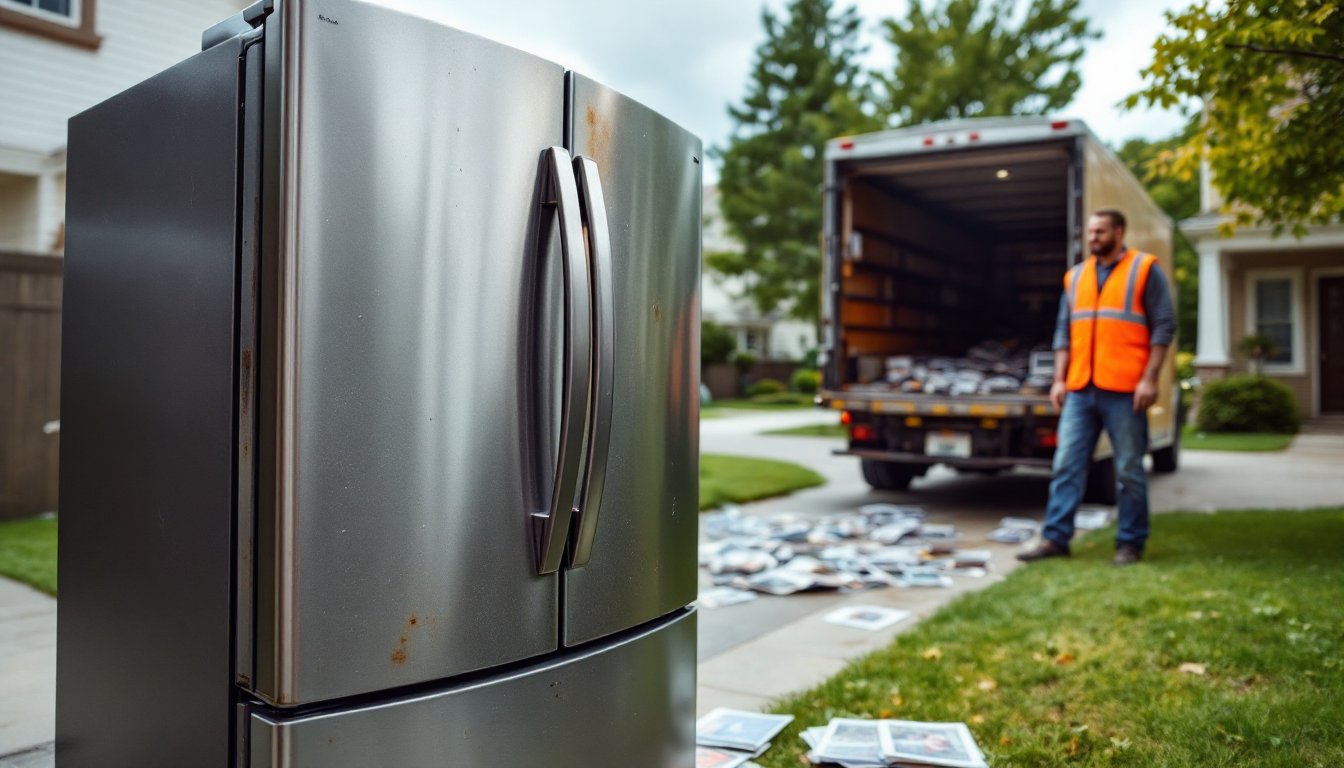
ToggleGetting rid of an old refrigerator isn’t as simple as hauling it to the curb. Refrigerators contain refrigerants and compressor oils that are regulated hazardous materials under the Environmental Protection Agency (EPA), making proper disposal both an environmental responsibility and often a legal requirement. Whether you’re upgrading to a newer model, replacing a broken unit, or clearing out an old garage fridge, knowing your disposal options will save you time, money, and headaches. This guide walks you through the safest and most practical methods to dispose of a refrigerator responsibly in 2026.
Key Takeaways
- Proper refrigerator disposal is an EPA requirement because fridges contain regulated hazardous refrigerants that damage the ozone layer if released.
- You have five main disposal options: e-waste recycling facilities, donation to nonprofits, resale online, municipal bulk pickup, and junk removal services, each with different costs and timelines.
- How to get rid of a refrigerator responsibly starts with checking your state’s specific regulations and certified recyclers in your area before committing to any method.
- Working fridges can be donated to Habitat for Humanity or sold on Facebook Marketplace for $100–$300, keeping them out of the waste stream entirely.
- Before pickup, empty the fridge, defrost ice buildup, disconnect water lines, and document the unit’s condition with photos to prevent disputes.
- Always verify that your chosen disposal method uses certified e-waste facilities for proper refrigerant removal—municipal programs and some junk removal companies may not guarantee proper recycling.
Understand Your Disposal Options
Before you drag that refrigerator anywhere, understand what you’re actually dealing with. A typical fridge contains several pounds of refrigerant (usually R-134a or R-410a), which can damage the ozone layer if released into the atmosphere. Many jurisdictions prohibit placing refrigerators in standard trash pickups for exactly this reason.
You have five primary pathways: recycling programs and e-waste facilities, donation or resale, bulk trash pickup through your municipality, junk removal services, and in some cases, retailer take-back programs when purchasing a replacement. The best choice depends on the refrigerator’s condition, your location, and how quickly you need it gone.
Not all options work everywhere. Rural areas may lack e-waste facilities, while urban centers typically have multiple routes. Start by checking what’s actually available in your zip code before committing to a method.
Check Local Recycling Programs And E-Waste Facilities
Most states require certified recyclers to extract refrigerants, compressor oils, and other materials before breaking down a refrigerator for metal and plastic recovery. Your state’s department of environmental quality or solid waste management website lists certified e-waste facilities. Search “appliance recycling near me” or “e-waste facility [your county]” to find drop-off locations.
Some facilities charge a small fee ($15–$40), while others accept refrigerators free if you’re a county resident. Call ahead, don’t assume hours or acceptance policies. Many facilities require you to transport the unit yourself, though some offer pickup for an additional fee. If you’re moving, organizations like Good Housekeeping provide comprehensive resources on appliance disposal as part of relocation planning.
Requirements vary by state. California, for example, offers free recycling through the appliance rebate program, while New York requires certified removal before demolition or renovation. Always confirm your state’s specific rules before dropping off.
Donate Or Sell Your Working Refrigerator
If your refrigerator still runs, donation is the best outcome. Nonprofits like Habitat for Humanity ReStore, Goodwill, and local community action agencies accept working appliances and often provide free pickup for larger items. They test units, make minor repairs, and resell them affordably, keeping the fridge out of the waste stream entirely.
Online platforms like Facebook Marketplace, Craigslist, and OfferUp work well for selling a functional fridge. Be honest about age, condition, and any quirks, a freezer that runs loud or a compartment that doesn’t cool properly should be disclosed. Price competitively: a 10-year-old fridge typically sells for $100–$300 depending on size and style, while older or damaged units may only fetch $25–$75.
When offering pickup, stay safe. Meet in daylight, have a friend present, and don’t accept payment until the buyer has confirmed it works. The Kitchn reviews common appliance issues, which can help you accurately describe its condition to potential buyers.
Arrange Bulk Trash Pickup With Your Municipality
Many cities include appliance disposal in their bulk trash or large-item pickup programs. Call your local sanitation department or check the city website for bulk pickup schedules, some offer quarterly pickups, while others are on-demand. You typically set the refrigerator on the curb on a designated day, and the city hauls it away.
This is free for residents in most places, but there’s a catch: municipal programs aren’t required to properly dispose of refrigerants. Some municipalities partner with certified recyclers, while others may not. Before using this option, contact your sanitation department and ask where appliances are taken and whether refrigerant removal is certified. If they can’t guarantee proper recycling, pick another method.
Bulk pickup works best if you’re not in a hurry. Schedules fill up, and you may need to wait 2–3 weeks for pickup. It’s also less reliable than dropping off yourself, no guarantee they’ll show up on the scheduled day.
Hire A Junk Removal Service
Junk removal companies like 1-800-Got-Junk, Curbside, and local operators handle the entire process: they pick up the refrigerator, haul it away, and dispose of it responsibly. You’re paying for convenience and speed.
Costs typically run $150–$400 depending on your location, fridge size, and accessibility. They may charge more if the unit is in a basement or requires stairs. Get quotes from at least two services and ask explicitly whether they dispose of it through a certified e-waste facility or sell it to a recycler. Not all junk removal companies recycle properly, some may dump appliances illegally.
Book services online or by phone. Most offer same-day or next-day pickup. Freshome includes junk removal and hauling services in comprehensive move planning resources, which is helpful if you’re disposing of a fridge as part of a larger relocation. This method is most worthwhile if you need quick removal, don’t have transportation, or have multiple items to dispose of at once.
Prepare Your Refrigerator For Disposal
Before the fridge leaves your house, do a bit of preparation. Empty all food and shelving, don’t assume the recycler or hauler will do it. Wipe down the interior with a damp cloth to prevent odors during transport. If there’s excess ice buildup in the freezer, defrost it the night before pickup: melting ice during transport creates a mess and can damage the unit’s exterior finish.
Also check whether the fridge has a water supply line for an ice maker or water dispenser. If it does, disconnect it and drain any standing water to prevent spills. Leave the doors unlocked or open slightly to show the unit is empty, this reassures the pickup crew and prevents odors from building up during transport.
If you’re storing the fridge temporarily before pickup, keep it in a garage, shed, or covered area to prevent weather damage, and never leave it running outdoors. A working refrigerator left to the elements won’t be accepted by most programs. Finally, take photos of the fridge’s condition before removal, if a buyer or recycler disputes its state, you’ll have documentation.
Conclusion
Disposing of a refrigerator responsibly means understanding your local options and choosing the method that best fits your timeline and budget. Whether you recycle it, donate it, sell it, or use municipal or private pickup, the key is ensuring it reaches a certified facility where refrigerants are properly extracted. Plan ahead, get quotes if hiring a service, and never simply leave an old fridge at the curb. A little effort upfront keeps hazardous materials out of landfills and appliances out of the waste stream.