Table of Contents
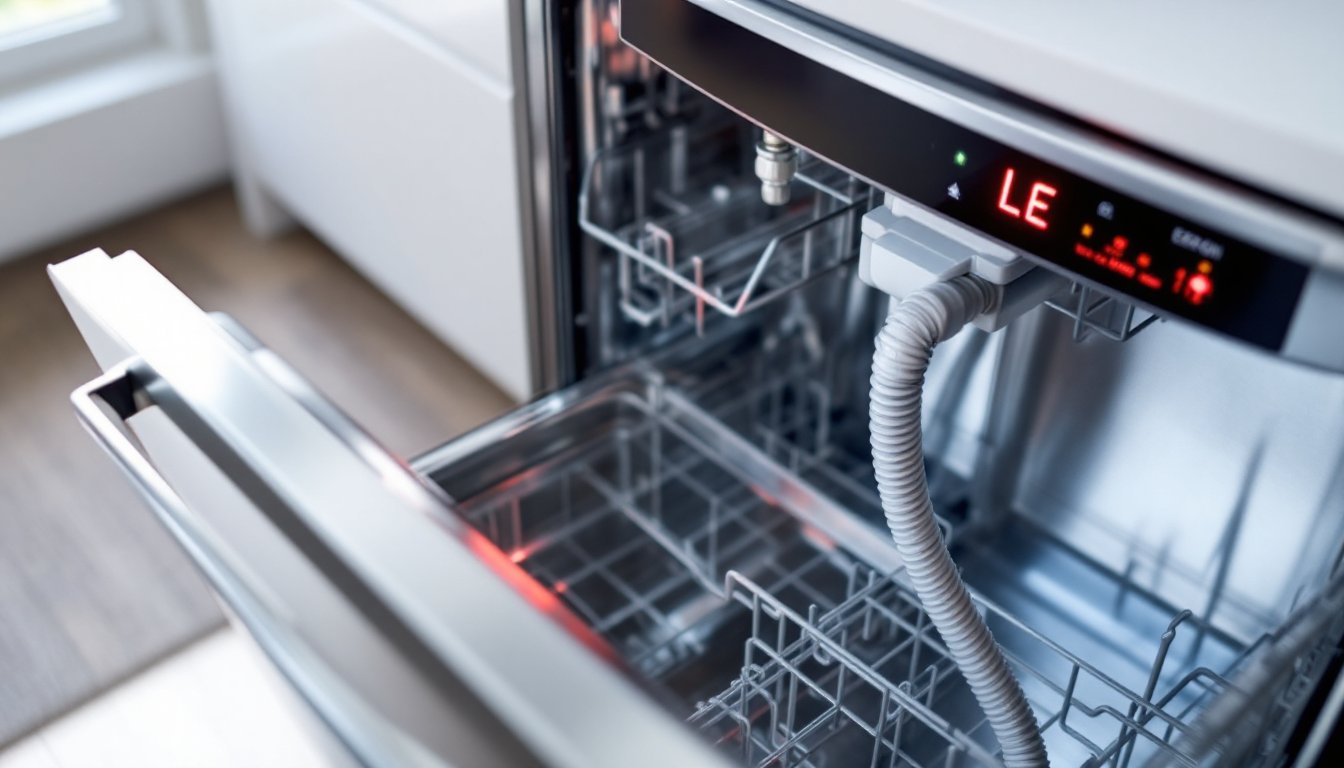
ToggleIf your LG dishwasher is flashing an LE error code on the display, your appliance is telling you it’s detected a water leak or moisture problem. The LG dishwasher LE code typically signals a leak detection issue that requires your attention, but don’t panic. Most cases of the LE error code on LG dishwashers point to fixable problems, from a loose door latch to a simple wiring hiccup. Understanding what the LE code means and knowing how to troubleshoot it can save you service call costs and get your dishwasher running again. This guide walks you through identifying the problem and deciding whether it’s a DIY fix or time to call a professional.
Key Takeaways
- The LG dishwasher LE error code signals a leak detection issue, but most cases stem from fixable problems like loose door latches, kinked hoses, or clogged drains.
- Start troubleshooting by power-cycling the unit, inspecting the door latch for secure engagement, and checking all hoses and connections for damage or kinks.
- A faulty leak sensor or false LE code can occur even without an active leak; drying the sensor and clearing residual moisture often resolves the error.
- If water is actively pooling under the dishwasher or the LE error persists after troubleshooting, contact a professional technician as the issue may involve a cracked tub or failed inlet valve.
- For older dishwashers (8–10+ years), compare repair costs against replacement price; if repairs exceed 50% of a new unit’s cost, replacement is often more economical.
What Does the LE Error Code Mean?
The LE error code on an LG dishwasher stands for “leak error.” When this code appears, your dishwasher’s leak detection system has triggered because it’s sensing water where it shouldn’t be, either inside the tub or along the floor beneath the unit. Think of it as your dishwasher’s early warning system: it detects moisture and stops mid-cycle to prevent water damage to your kitchen.
LG builds leak sensors into their dishwashers specifically to catch problems before they become expensive. The sensor sits at the bottom of the tub or along the base of the unit and completes a circuit when moisture hits it. When that happens, the control board cuts power to the water inlet valve and displays the LE code. Importantly, a leak error doesn’t always mean you have an active, gushing leak right now, sometimes it’s residual moisture from a slow drip or a connection that’s come loose.
Common Causes of the LE Error
The LE error code typically stems from one of a few recurring culprits. A door latch that isn’t sealing properly, clogged or kinked drain hoses, worn door gaskets, and loose water supply connections all make the list. Occasionally, a faulty leak sensor itself is the problem, it’s triggering false alarms when there’s no actual water present.
Door Latch Problems
Your dishwasher door latch is one of the most common sources of an LE error. When the latch doesn’t catch or hold securely, the door sits slightly ajar during the cycle. Water then leaks out from the sides, and the leak sensor activates. Over time, the latch catch or strike plate (the metal part the latch hooks into) wears down, especially if the door has been slammed or opened with force.
Inspect the latch visually first. Open the door fully and look at the latch mechanism on the inner edge of the door. Does it feel loose or wobbly when you push on it? Check the strike plate on the frame of the dishwasher, is it bent or misaligned? If the latch clicks firmly into place and the door is level and square in the frame, the latch is probably fine. If it feels squishy or won’t hold, the latch assembly may need replacing.
Wiring and Connection Issues
Water supply lines that are kinked, pinched, or improperly connected are another frequent cause. The inlet hoses that bring water into your dishwasher run behind or beside the unit, and they can get crushed if the dishwasher is pushed back too hard or if something is leaning against it. A pinched hose will restrict water flow and can eventually rupture, causing a slow leak that triggers the sensor.
Drain hose problems also appear regularly. A clogged drain hose forces water to back up inside the tub, which either overflows or pools at the bottom, activating the leak sensor. Kinked hoses have the same effect. Also, loose or corroded wire connections to the leak sensor itself can cause false LE codes, the sensor reads “wet” even when it’s dry, because the circuit is faulty. Check all visible hose connections under the sink and at the back of the dishwasher. They should be snug, not cracked, and not kinked.
Step-by-Step Troubleshooting Guide
Before calling a service technician, run through these troubleshooting steps. Most take less than 15 minutes and require only basic tools.
Step 1: Power Down and Drain
Unplug the dishwasher or turn off its circuit breaker. Leave the door open for a few minutes to allow any residual moisture to evaporate. Some false LE codes clear themselves once the sensor dries out. If the error disappears after the unit sits unplugged for 30 minutes, you may have had a temporary moisture event (like splashing water during loading).
Step 2: Inspect the Door and Latch
Close the door gently and listen for a solid click. The latch should engage firmly and the door should sit flush with the frame on all sides. If you notice a gap or feel resistance, the door may be slightly warped or the latch is worn. Open the door, clean any debris from the latch catch with a dry cloth, and try again. Sometimes mineral deposits or grime prevent a secure connection.
Step 3: Check the Floor and Under-Unit
Look under the dishwasher with a flashlight. Is the floor wet or sticky? If so, water is actively leaking from beneath the unit, this points to supply line problems or a cracked tub. If the floor is dry, you may not have an active leak, just a sensor that got tripped.
Step 4: Examine Hoses and Connections
Access the area behind or beside the dishwasher (you may need to pull it out slightly or open the toe kick). Look at the water inlet hose (usually braided steel) and the drain hose (typically gray vinyl). Feel along the entire length of each hose for soft spots, cracks, or kinks. Gently straighten any kinked hoses. Ensure both hoses are hand-tight at their connection points (don’t over-tighten, you can crack the fitting). If a hose looks damaged, you’ll need to replace it.
Step 5: Clean or Clear the Drain
If your dishwasher has a manual filter, remove it and rinse it thoroughly under running water. Debris in the filter can back up the drain and cause water to pool. Pour a small amount of white vinegar down the drain opening to help dissolve buildup. Run a short rinse cycle with the door open (if possible) to flush the drain.
Step 6: Test the Leak Sensor
If you’re comfortable working with electronics, you can dry the leak sensor with a cloth. Locate it at the lowest point inside the tub (consult your owner’s manual for the exact position). A completely dry sensor should reset the error. If moisture is visibly pooling around the sensor and won’t drain, you have a drainage problem that needs addressing.
According to LG dishwasher error codes reference material, the LE code and similar leak alerts respond well to these methodical checks. After completing these steps, power the unit back on and run a short test cycle. If the LE code doesn’t reappear, the problem is likely solved.
When to Call a Professional
Some LE error situations demand professional attention. If you’ve run through the troubleshooting steps and the error persists, or if you discover an active leak pooling on your kitchen floor, it’s time to call a repair technician. A cracked tub, failed inlet valve, or faulty control board are beyond typical DIY repair territory and require parts and expertise that a homeowner shouldn’t attempt.
If the leak sensor itself is defective, meaning the floor is completely dry, the door seals properly, and all hoses are intact, but the LE code keeps appearing, the sensor wire or its circuit board connection is likely damaged. Sensor replacement is usually straightforward for a technician, though it varies by model. If your dishwasher is still under warranty, contact LG customer service or your dealer rather than a local repair shop: warranty coverage can save hundreds of dollars.
According to home service review platforms like Angi, average dishwasher repair calls run $150–$300 for service visits, with parts costing another $100–$500 depending on what’s broken. If the unit is more than 8–10 years old and repair costs exceed 50% of a replacement unit’s price, replacement is often the smarter choice financially.
Conclusion
The LG dishwasher LE error code is annoying but usually fixable without professional help. Start with the basics, power cycle the unit, check the door latch, inspect hoses, and clear any drainage blockages. Most homeowners resolve the LE code on LG dishwashers by tightening a connection or cleaning the drain. If troubleshooting doesn’t clear the error, or if you discover an actual leak, that’s your signal to contact a certified technician. Either way, addressing the LE code promptly prevents water damage and keeps your dishwasher running reliably.