Table of Contents
ToggleAir purifiers have become as common in home improvement stores as paint and drywall. Yet most homeowners wonder whether they’re actually solving a real problem or just collecting dust on a shelf. The truth is somewhere in the middle. Whether an air purifier makes sense for your home depends on your specific situation, your location, health conditions, and budget. This guide walks you through the real benefits, honest costs, and practical alternatives so you can make a decision based on your home’s actual needs, not marketing claims.
Who Actually Needs An Air Purifier
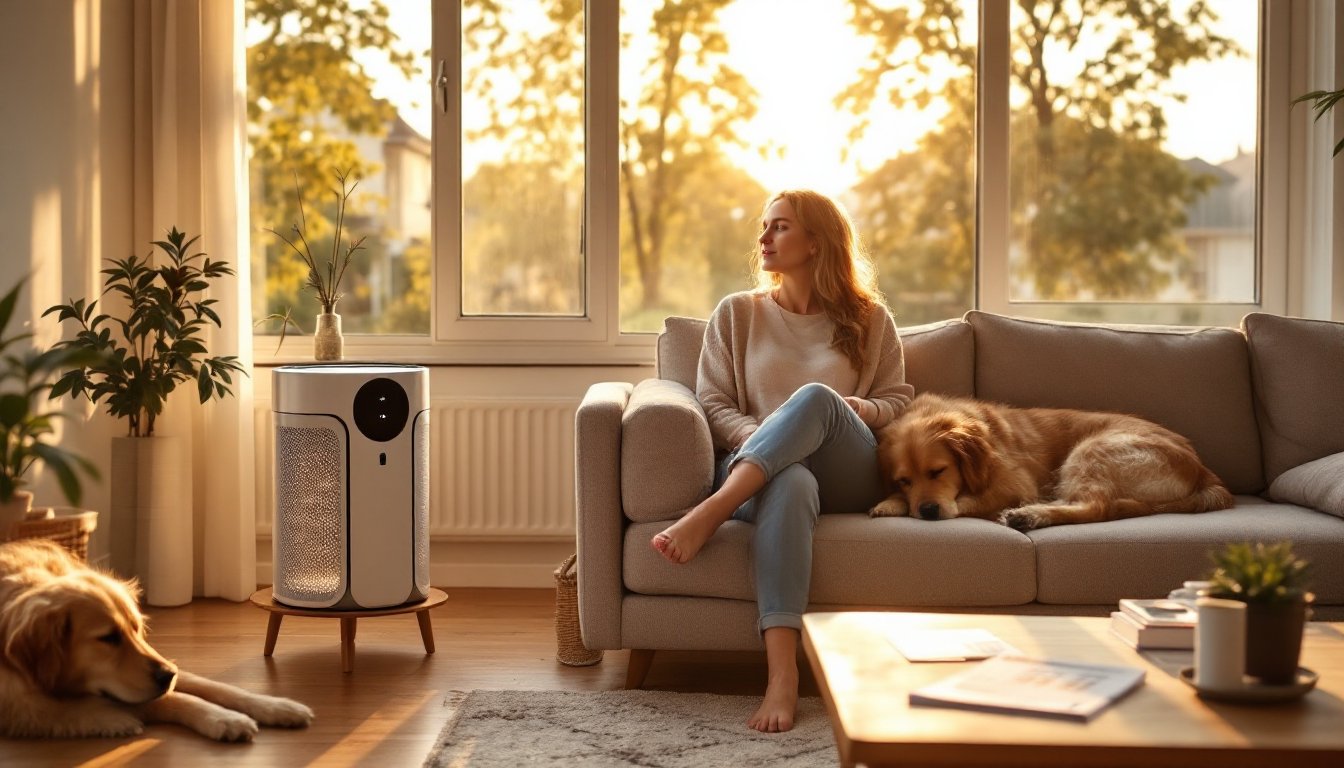
Not everyone needs an air purifier, and that’s okay. Your household is a good candidate if you live in an area with poor outdoor air quality, have family members with respiratory conditions like asthma or allergies, own pets, or live on a busy road. Urban dwellers near highways or industrial zones often see measurable particulate matter. Similarly, if someone in your home experiences seasonal allergies or has been diagnosed with asthma, a purifier targeting the right pollutants can help.
Households with smokers, or in areas where wildfire smoke is seasonal, also benefit. If you’ve recently renovated and want to clear VOCs (volatile organic compounds) from new flooring or paint, a purifier with activated carbon can help, though proper ventilation is still your first line of defense.
Conversely, if you live in a rural area with good air quality, don’t have respiratory issues, and keep your home well-ventilated, a purifier is an unnecessary expense. Similarly, a purifier won’t fix poor indoor humidity, inadequate ventilation, or mold problems, those require different solutions.
Real Health Benefits vs. Marketing Hype
Air purifiers can remove particulate matter (dust, pollen, pet dander) and some odors, but they won’t cure allergies or replace a good HVAC maintenance routine. Manufacturers often overstate performance, claiming to eliminate “99.97% of particles”, technically true for particles large enough to capture, but misleading about real-world effectiveness. Your home’s air changes constantly through doors, windows, and ventilation, so a purifier is only part of the picture.
The most credible evidence supports purifiers for people with asthma or severe allergies who spend time in a single room. Studies show HEPA filters (High Efficiency Particulate Air) do trap fine particles. Activated carbon filters help with odors and some VOCs, though they lose effectiveness over time and need regular replacement.
Conditions Where Air Purifiers Help Most
Asthma and allergic rhinitis show the clearest benefit. If a family member’s symptoms improve noticeably when indoors versus outdoors, a purifier in their bedroom or living room can help. Pet owners dealing with dander notice faster improvements in air quality. Wildfire season is another real use case, when outdoor air is hazardous, a portable purifier in your bedroom lets you create a cleaner sleeping environment.
Recent research on air quality improvements shows that experts have weighed in, with most finding them most effective for targeted use rather than whole-home solutions. Smoke from cooking, painting, or construction dust also benefits from temporary purification.
Cost-Benefit Analysis: Is It Worth The Investment
A decent HEPA air purifier costs between $150 and $500 for a single room, with premium or larger models running $600 to $1,500+. Before buying, ask yourself: Will this solve a specific problem? A purifier for mild dust in a large home might not justify the expense. But a purifier in the bedroom of someone with asthma, where they spend 8+ hours daily, has a clearer payoff.
Calculate the payback period. If you’re spending $400 upfront plus $50 to $100 annually on replacement filters, that’s roughly $500 over five years. Compare that against the cost of medication adjustments, allergist visits, or reduced symptom severity. For families with significant respiratory issues, the math works. For general “fresh air,” it’s harder to justify.
Location matters. If you’re in a region with poor EPA air quality ratings or experience seasonal wildfire smoke, the investment is more defensible than if you live in a cleaner area. Also consider that air purifier benefits depend heavily on correct placement and maintenance, which many homeowners underestimate. A poorly maintained purifier is expensive decoration.
Maintenance And Operating Costs You Need To Know
This is where air purifier ownership often disappoints. HEPA filters typically last 6 to 12 months depending on air quality and usage. Pre-filters (which extend HEPA life) need changing every 1 to 3 months. Activated carbon filters lose effectiveness faster in humid environments or smoky conditions. Replacement costs add up quickly: $40 to $80 per HEPA filter, $15 to $40 for pre-filters, $20 to $60 for carbon filters.
There’s also the electricity cost. Most purifiers draw 30 to 200 watts depending on size and speed setting. Running a unit 24/7 on medium speed might add $15 to $30 per month to your electric bill. Many people run them only at night or when outdoors conditions are poor, which lowers costs but reduces effectiveness.
Cleaning the exterior, checking for air leaks around the unit, and ensuring it’s placed correctly (away from walls, with clear intake and exhaust) requires attention. Neglecting maintenance wastes money, a clogged intake reduces airflow and forces the motor to work harder. Budget honestly: if you won’t commit to filter changes and basic maintenance, a purifier isn’t worth it.
Smart Alternatives And When To Skip An Air Purifier
Before buying a purifier, optimize ventilation and filtration basics. A quality HVAC furnace filter (MERV 11 or higher) paired with regular replacement is cheaper than a standalone purifier and covers your whole home. If your system is old, upgrading to a programmable thermostat and sealing air leaks (caulk, weatherstripping, duct sealing) reduces outdoor pollutants from entering.
For specific problems, targeted solutions work better. Pet dander? Vacuum regularly with a HEPA-filter vacuum, not an air purifier. Cooking odors? Upgrade your range hood and run it while cooking. Moisture and mold? Fix the root cause (ventilation, insulation, drainage) instead of chasing symptoms with a purifier. New paint smell? Open windows, use fans, and give it time, VOCs dissipate.
If you do decide an air purifier makes sense, detailed analyses of air and total cost of ownership. Buy the smallest unit that covers the intended space (check the Clean Air Delivery Rate or CADR), skip fancy features like app control unless you’ll actually use them, and commit to the filter maintenance schedule upfront.
Conclusion
An air purifier is worth it if you have specific air quality problems (respiratory conditions, poor outdoor air, pets, smoke) and can commit to maintenance. It’s not a substitute for ventilation, filter replacement in your HVAC system, or fixing underlying moisture and mold issues. Be honest about your actual needs, not aspirational ones. A purifier gathering dust in the corner isn’t helping anyone, but one running in a bedroom where asthma sufferers sleep can make a real difference. Do your assignments on the total cost, read real-world reviews, and if the numbers don’t add up, don’t force it.