Table of Contents
ToggleGround beef is a kitchen staple, versatile, affordable, and quick to cook. But pull that package from your grocery bag, and you’ve got a clock running. How long is hamburger good in the refrigerator? The answer depends on whether it’s raw or cooked, how it’s packaged, and your fridge temperature. Getting storage right matters: proper storage prevents foodborne illness, reduces waste, and keeps your meals safer. Most homeowners don’t think twice about storage timing until something smells off. This guide walks you through the timing, the danger signs, and the practical steps to keep ground beef fresh and safe from purchase to plate.
Key Takeaways
- Raw ground beef is only safe in the refrigerator for 1 to 2 days, while cooked hamburger lasts 3 to 4 days in an airtight container.
- Proper refrigerator temperature of 40°F (4°C) or below is critical—check with an appliance thermometer to ensure your fridge isn’t running warm and shortening shelf life.
- Spoiled hamburger shows unmistakable warning signs: a sour or ammonia-like smell, dull gray or greenish color, and a slimy texture—when in doubt, throw it out.
- Freeze raw ground beef in portions immediately if you won’t cook it within 1 to 2 days; frozen hamburger stays safe for 3 to 4 months and solves the ‘use it or lose it’ problem.
- Store hamburger on the lowest refrigerator shelf in vacuum-sealed or airtight containers, and always label with the purchase or prep date to track freshness accurately.
- Thaw frozen hamburger in the refrigerator overnight rather than on the counter—once thawed, cook it within 1 to 2 days for food safety.
Hamburger Storage Timeline: Raw vs. Cooked Meat
Raw ground beef has a shorter shelf life than many other cuts of meat because grinding increases surface area, speeding bacterial growth. In the refrigerator, raw ground beef stays safe for 1 to 2 days from the date of purchase. That window is tight, tighter than many homeowners realize. If you buy it on a Friday and don’t cook until Sunday, you’ve already pushed it close to the limit.
Cooked hamburger holds up better. Ground beef that’s been browned, seasoned, and cooled lasts 3 to 4 days in the refrigerator when stored in an airtight container. The cooking process kills most bacteria: the cold slows growth of any survivors. A batch of taco meat, burger patties, or ground beef for a sauce can be prepped and portioned for the week, just get it into the fridge within 2 hours of cooking.
The key difference comes down to bacterial load. Raw meat carries more microorganisms naturally. Heat kills them: cold merely slows them. Neither replaces the other, and timing matters more than most cooks think.
Factors That Affect Hamburger Shelf Life
Storage time isn’t one-size-fits-all. Several variables push that 1–2 day window earlier or, in some cases, slightly later. Freshness at purchase is the first factor: ground beef packaged that morning has more time ahead than meat that sat on the case for hours. The meat’s fat content matters too, higher fat grinds (like 80/20 or 85/15) spoil faster than leaner cuts (90/10) because fat oxidizes and becomes rancid. Where you got it also counts: a butcher counter grind is often fresher than pre-packaged supermarket beef.
Packaging and air exposure accelerate spoilage. Vacuum-sealed packages last longer than standard foam trays wrapped in plastic film because they minimize oxygen contact. Once opened, all bets change, use within 1 day. Storage location in the fridge matters too: the meat compartment or the coldest shelf beats the door, where temperature fluctuates with every opening.
Temperature Control and Refrigerator Settings
Your refrigerator temperature is the single biggest control point. Ground beef should be stored at 40°F (4°C) or below. Many home fridges run warmer, sometimes hitting 45°F, especially if packed full or if the door is left open frequently. An overstuffed fridge blocks air circulation: a warm fridge is a shorter-shelf-life fridge.
Check your fridge temperature with an inexpensive appliance thermometer (under $10). If it’s running above 40°F, adjust the dial. If it stays warm, you’ve got a maintenance issue: a dirty condenser coil, a failing compressor, or a faulty thermostat. These aren’t DIY fixes, call a refrigeration technician. Don’t gamble with food safety by storing meat in an unreliable fridge. How long is ground beef good in the refrigerator also hinges on this single setting, nail the temperature, and you buy yourself margin for error.
Signs Your Hamburger Has Gone Bad
Spoiled ground beef sends unmistakable signals. The most obvious is smell: fresh raw beef has a mild, slightly metallic scent. Spoiled beef reeks, a sour, ammonia-like odor that’s impossible to miss and a hard stop sign. Don’t cook it. Don’t taste it. Throw it out.
Color is another clue. Fresh ground beef is bright red or pink on the surface (color from myoglobin, a protein). Cooked ground beef is brown. If raw beef has turned dull gray or brown, or if cooked beef develops an unusual dull or greenish tint, bacteria are likely multiplying fast. Surface slime, stickiness, or a film on the meat also indicates spoilage.
Texture changes warn you too. Spoiled meat feels slimy or greasy beyond normal: fresh meat is moist but not slick. If you open the package and something feels off, even if color and smell seem okay, trust your instinct. Foodborne pathogens like E. coli and Salmonella don’t always announce themselves with visible or aromatic clues, but these three, smell, color, texture, cover most cases. When in doubt, throw it out. How long is hamburger good in the refrigerator is a guideline: these sensory checks are your safety net.
Best Practices for Storing Hamburger at Home
Smart storage starts at the checkout. Buy ground beef last on your shopping run, right before you head home, so it spends minimal time warming up in the car. At home, transfer it straight to the refrigerator or freezer. Don’t leave it on the counter while you unpack groceries. If you’re storing it in the fridge, place it on the lowest shelf, where it’s coldest, away from ready-to-eat foods to prevent cross-contamination.
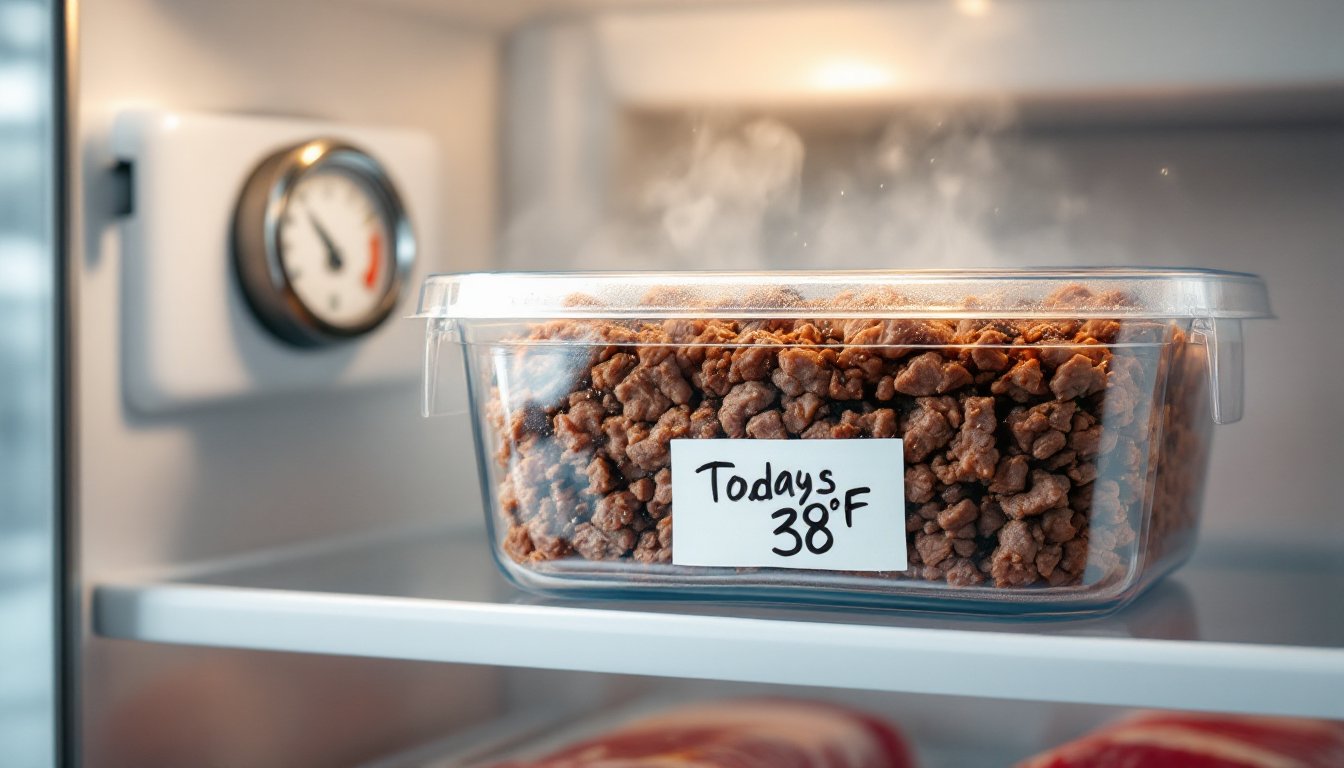
Label everything with the purchase date or prep date using a marker and masking tape. You can’t guess correctly after three days: a label takes five seconds. If you regularly cook ground beef and freeze portions, a permanent marker and tape are your cheapest insurance against food waste and illness.
Raw ground beef shouldn’t sit longer than a day or two, plan your menu accordingly. If you buy a family pack on Monday and don’t cook until Thursday, freeze half immediately. The freezer extends storage from days to months. This simple habit solves the “use it or lose it” problem.
Proper Packaging and Container Methods
How you package hamburger directly affects how long it lasts. Vacuum-sealed packages from the butcher counter are ideal: they minimize air exposure. If you’re transferring ground beef from a foam tray into your own container, use an airtight, food-grade plastic or glass container. Make sure the lid seals firmly, a loose lid defeats the purpose.
For meal prepping, divide ground beef into portions before refrigerating. Brown it, let it cool to room temperature (not hot), then portion into airtight containers. Smaller portions cool faster and more evenly, reducing the time bacteria have to multiply. If you’ve got multiple containers, stack them on a single shelf to keep the area organized and your inventory visible.
For raw beef, one trick is to portion and freeze immediately. Line a baking sheet with plastic wrap, place four-ounce portions (or whatever size suits your recipes) on the sheet, freeze for 2–3 hours until solid, then transfer to a labeled freezer bag. You get individual portions, easy thawing, and no waste. This method works especially well if you buy bulk ground beef and divide it down.
Freezing Hamburger for Long-Term Storage
Freezing is your long-term solution. Raw ground beef freezes well for 3 to 4 months in a standard home freezer at 0°F (–18°C) or below. Cooked ground beef lasts 2 to 3 months frozen. The cold halts bacterial growth entirely: it doesn’t kill existing bacteria, but it locks them in stasis.
Wrap or package carefully to prevent freezer burn, that gray, papery texture that develops when ice crystals form. Vacuum-seal if you have a sealer: otherwise, use freezer bags (thicker than regular storage bags) and squeeze out as much air as possible before sealing. Label with the date and type (“raw ground beef” or “cooked taco meat”), so you don’t guess later.
Thaw frozen ground beef in the refrigerator, never on the counter. Moving a package from freezer to fridge overnight lets it thaw safely at a consistent cold temperature. Counter thawing allows the outer layer to reach unsafe temperatures while the inside is still frozen, a bacteria growth zone. A pound of ground beef takes 12–24 hours to thaw in the fridge. If you’re in a hurry, seal the package and submerge it in cold water, changing the water every 30 minutes: this cuts thaw time to 1–2 hours. Once thawed, cook within 1–2 days.
The information on how long food lasts in the fridge and freezer provides more detail on freezing timelines for other proteins and produce if you’re planning a full kitchen organization system.